
Customized trailers are essential for industries like mining, construction, wind energy, and heavy logistics. Unlike standard trailers, custom builds require detailed engineering and precision fabrication.
Here’s how a professional manufacturing process works.
Step 1: Requirement Analysis
-
Type of cargo
-
Load weight
-
Route conditions
-
Height restrictions
-
Turning radius
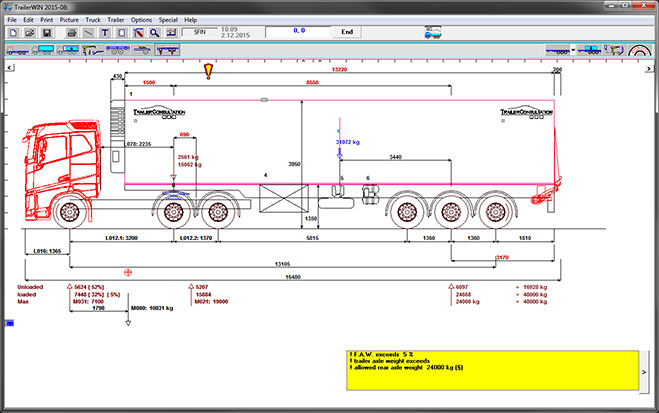
Engineering drawings are created using CAD software.
Step 2: Structural Design

-
3D Modeling
-
Stress Analysis
-
Axle placement design
-
Suspension selection
Step 3: Fabrication
-
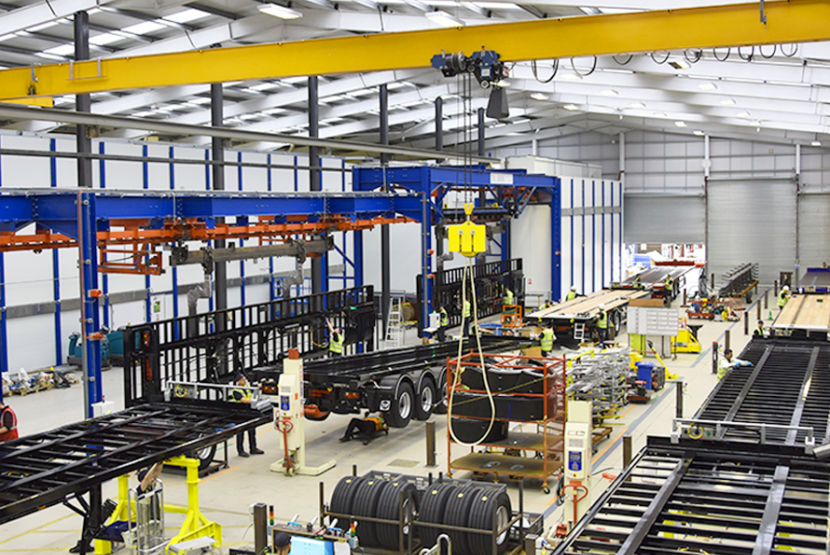
CNC plasma cutting
-
Heavy-duty welding
-
Frame assembly
-
Cross-member reinforcement
Step 4: Axle & Suspension Installation
-
Mechanical or Air suspension
-
Brake system integration
-
ABS system (if required)
Step 5: Surface Treatment & Painting
-
Sand blasting
-
Anti-corrosion primer
-
Industrial-grade paint coating
Step 6: Quality Inspection & Load Testing
-
Dimensional accuracy check
-
Weld testing
-
Load testing
-
Road test
Conclusion
Customized trailer manufacturing requires precision engineering, quality materials, and strict inspection standards.
Yashwant Trailers specializes in engineered-to-order heavy-duty trailers tailored to your operational needs.